If you're worried your toddler won't cooperate during family photos, you're not alone. The moments parents often apologize for, the crying, clinginess, and endless movement, are often the very moments that become their favorites. Here's why your child doesn't have to be "perfect" for your photos to be meaningful.
If you've ever apologized for your toddler before a photo session even started, you're in good company. In fact, it’s one of the most common concerns I hear from parents, usually said with a small laugh, but rooted in something real:
What if this doesn’t go the way I’m hoping?
What if my child won't sit still, smile, or listen?
What if my child has a meltdown or throws a tantrum?
The short answer is this: They don’t need to cooperate.
Here's the Truth: Your Child Doesn't Have to Cooperate
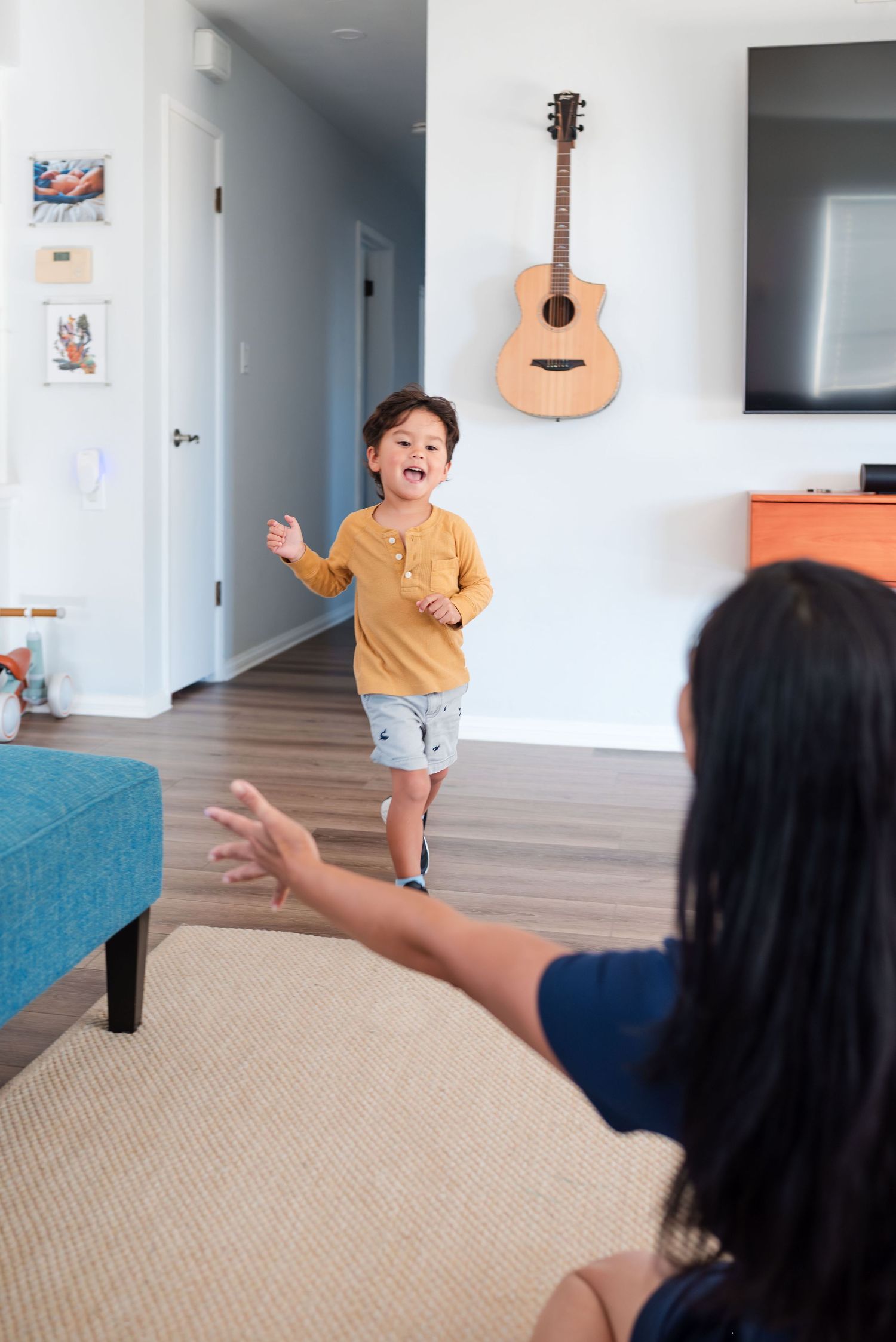
"I'm sorry...he's just not listening today."
I hear this before sessions all the time.
But here's the truth: your child doesn't have to cooperate for us to create meaningful photographs. Traditional photo sessions often rely on stillness - everyone looking at the camera, smiling at the same time, holding a pose.
But toddlers aren’t wired for that.
They run, hop, and skip. They cling. They shift quickly from laughter to tears and back again. They need closeness, space, and time all in the same bewildering moment. And honestly, that's exactly what makes this stage worth remembering. Instead of working against that, in-home sessions are built around it.
If you're new to this approach, you can read more about what in-home lifestyle photography looks like here.
What If My Toddler Cries?
"She's been having a hard week. I'm really sorry if she cries."
I hear some version of this all the time. Parents often apologize before the session has even really started.
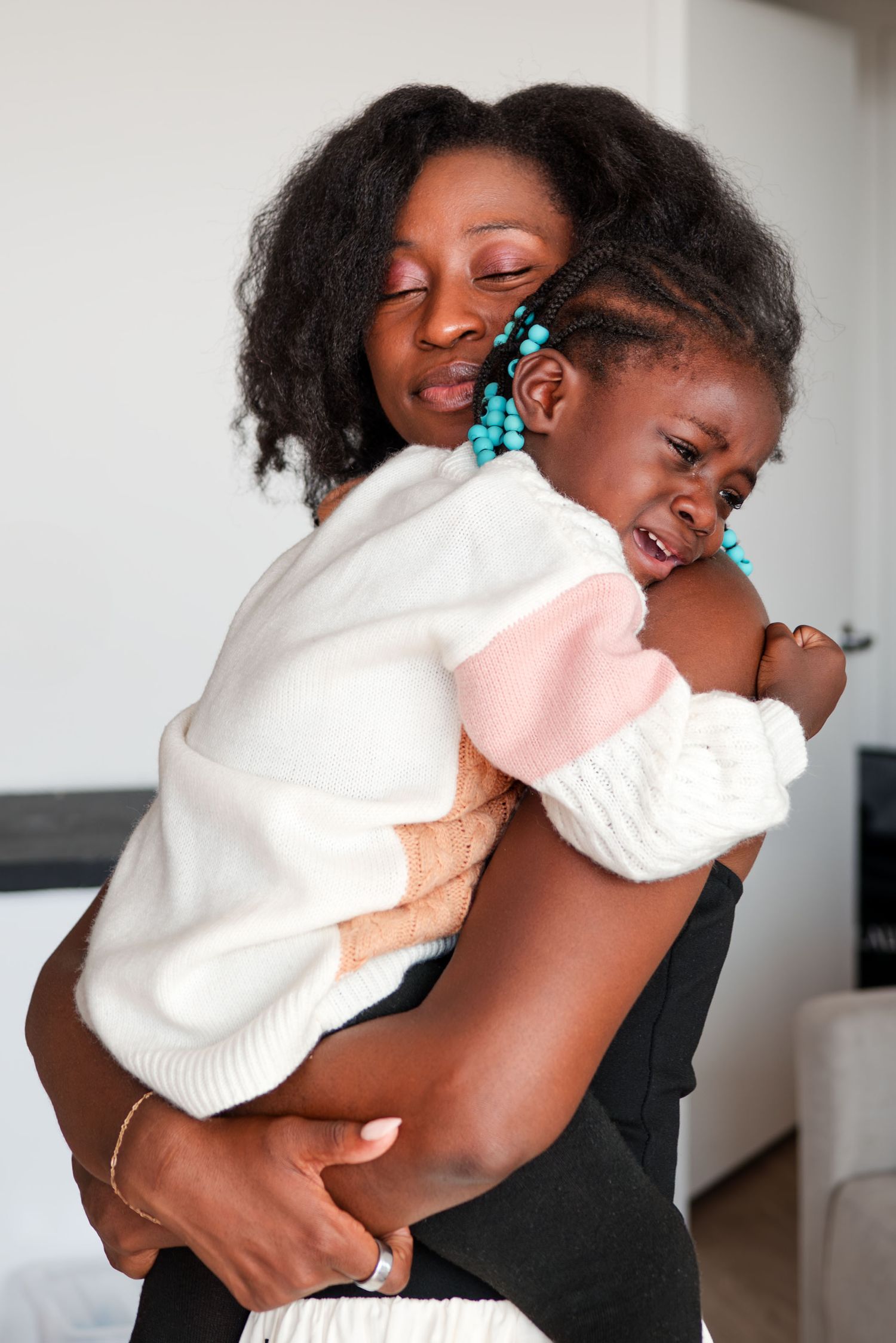
But crying doesn't ruin a session. Sometimes toddlers cry because they're overwhelmed, tired, or simply taking a little longer to settle into something new. We don't rush past those feelings. We slow down, give them space, and let them find their way back to you. Often, those moments of comfort become some of the most tender photographs from the entire session.
What If They Won't Let Go of Me?
"He never does this...he's usually much more independent."
This is one of the most meaningful parts of this stage. If your child wants to stay close to you, we lean into that.
Sometimes a toddler spends the first twenty minutes of the session wrapped around Mom's leg or asking to be carried everywhere. Parents often apologize, convinced we won't get any good photos until their child "warms up." But those quiet moments of being held are often the very images they treasure most later. They're a reminder of a season that feels exhausting in the moment but passes so quickly.
There’s no need to separate them or encourage independence for the sake of a photo.
Connection is the goal, not distance.
What If They Won't Sit Still?
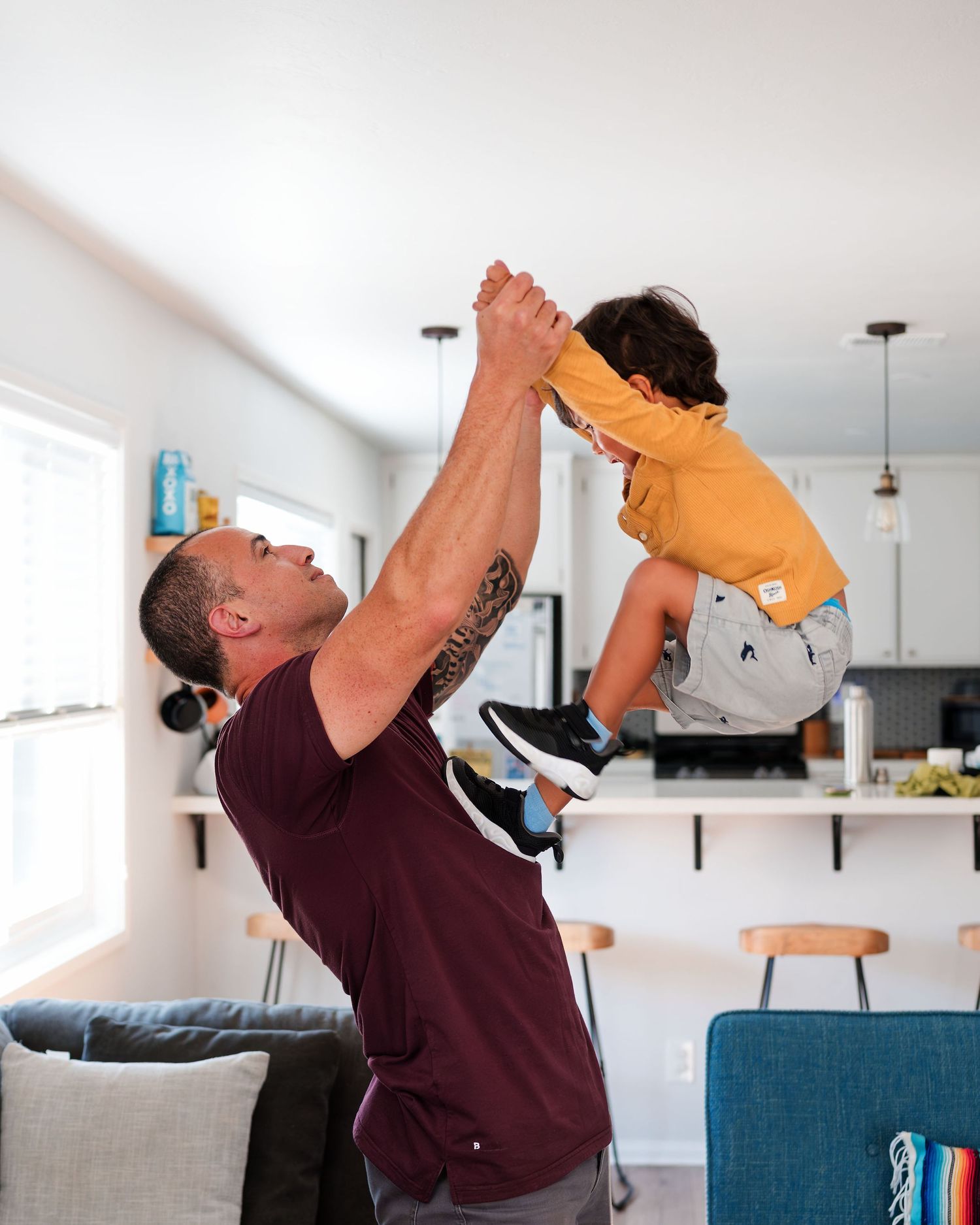
"Can you just sit still for one picture?"
The truth is, some children are constantly in motion. Instead of trying to contain that, we follow it. Movement often creates some of the most natural, honest images because your child is simply being themselves, and you’re responding in real time.
Maybe your toddler wants to run from the living room to the hallway over and over again. Maybe they stop every few seconds to inspect a toy they forgot about, or they disappear into their bedroom to grab a favorite stuffed animal. Instead of asking them to stop being curious, we let those little moments unfold. Some of my favorite photographs happen when children are simply exploring the place they feel safest—their own home.
What If Nothing Goes as Planned?
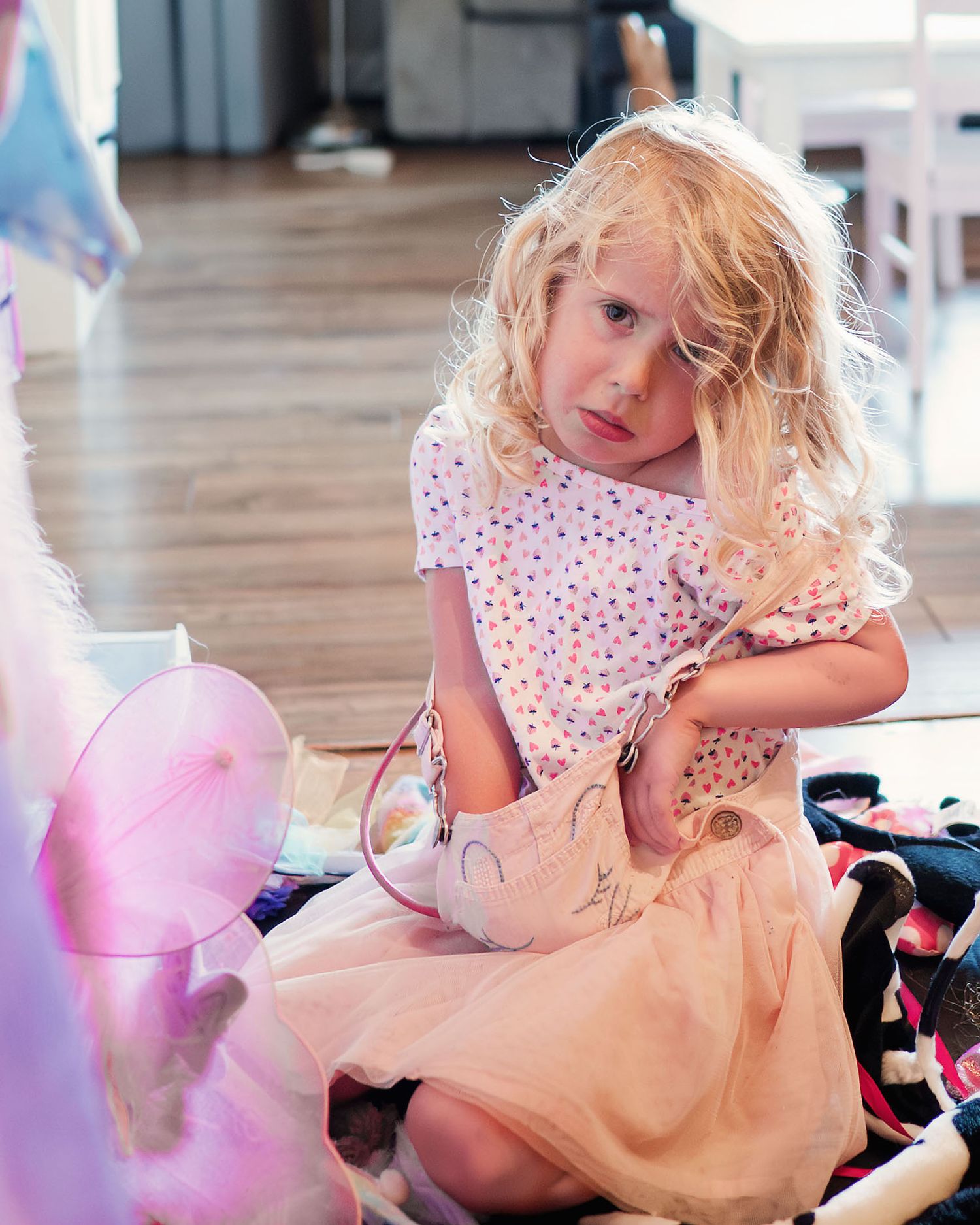
"Should we just reschedule?"
Parents usually ask this after a rough morning or a difficult start to the session. But real life is not perfectly paced - and your session doesn’t need to be either.
There may be moments when someone needs a snack, your toddler wanders into another room, or everyone simply pauses for a minute. Those quiet transitions often become some of my favorite photographs because they feel honest.
There’s space for all of it.
Snacks.
Breaks.
Changing rooms.
Taking a breath.
Following the child instead of forcing a schedule.
These Moments Often Become Parents' Favorite Photographs
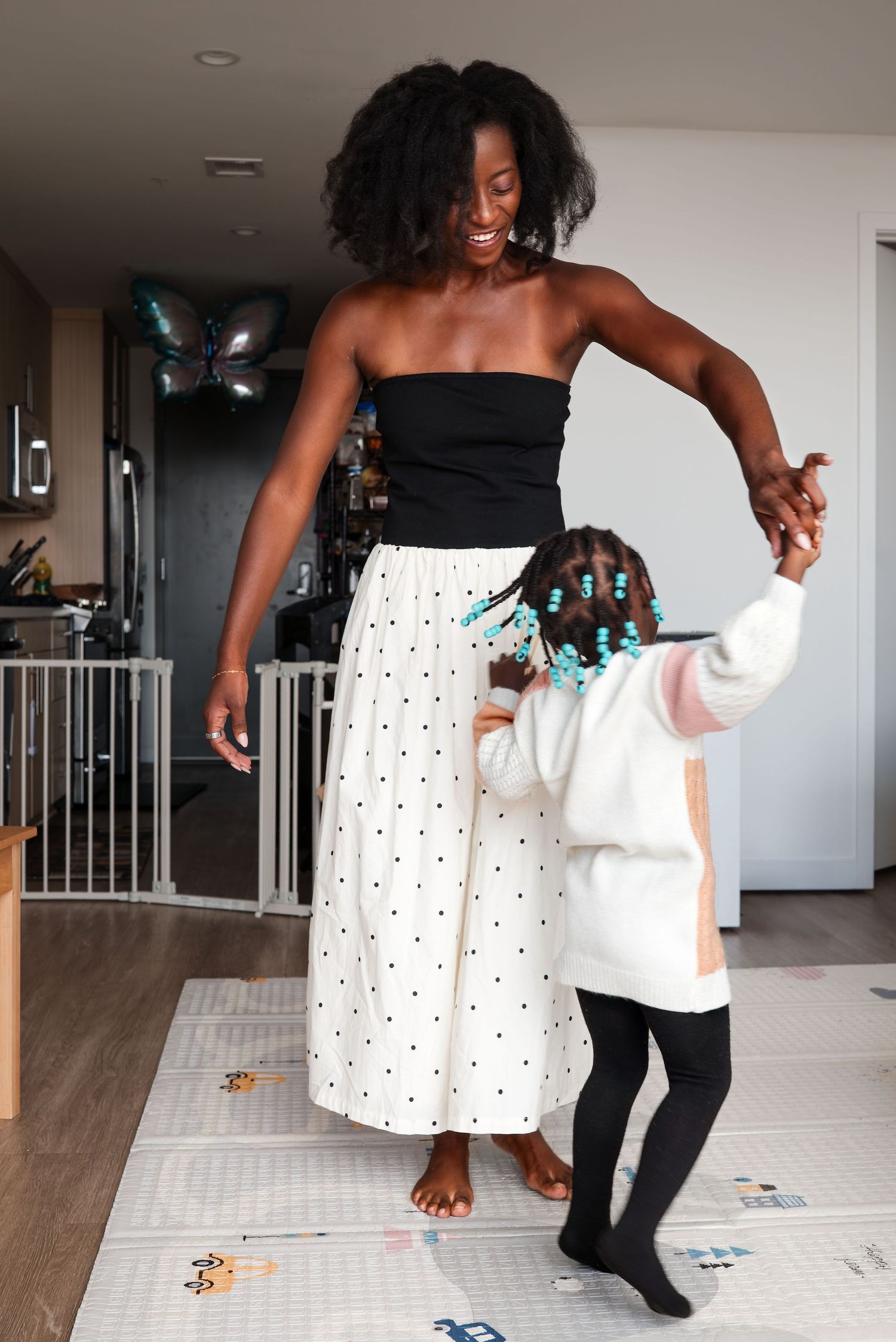
You don't have to spend the entire session worrying about managing your child's behavior.
You don’t need to correct, redirect, or make anything happen.
Your role is simply to be with them.
I’ll guide when needed, give space when it matters, and shape the session in a way that feels calm and manageable - for both you and your child.
Years from now, you probably won't remember whether your toddler smiled at the camera. You'll remember how they reached for your hand, curled into your shoulder, or laughed as they ran down the hallway. Those are the moments this approach is designed to preserve.
Helpful Resources for Parents
If you're starting to think this might be a better fit for your family than a traditional session:
→ What is in-home lifestyle photography?
If you’d like to see how this approach looks in a real in-home session, you can explore a full gallery here:
→ View a full in-home family session
If you're already thinking ahead to how this might feel for your child, I've also shared a few gentle ways to prepare your toddler without pressure:
→ How to prepare your kids for a relaxed in-home family photo session
Or, if this is starting to feel like a better fit for your family:
